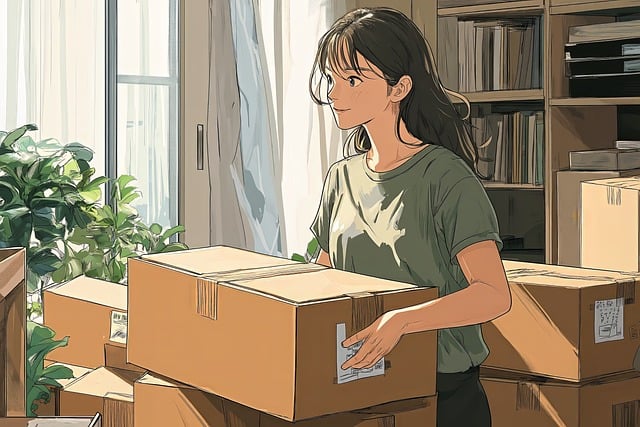
Stress relief through local resources is crucial for mental well-being in modern life. Real estate influences daily routines and proximity to calming environments. Options range from yoga and community gardens to cultural events and volunteer work. Practical steps include using city apps, reaching out to professionals, and joining support groups. Real Estate naturally offers opportunities to incorporate natural elements into living spaces, reducing stress levels. Eco-friendly design amplifies these benefits while saving energy costs. Communities prioritizing local resources enhance both environment and residents' well-being through green spaces and urban planning integration. Collaboration between residents, governments, and professionals is key.
In today’s fast-paced world, managing daily responsibilities can induce significant stress. For many individuals, finding balanced, affordable living options exacerbates this challenge, particularly in bustling metropolitan areas where real estate is scarce and expensive. This article explores a powerful solution: leveraging local resources to alleviate stress related to housing and community integration. We delve into practical strategies that not only assist in sourcing accessible real estate but also foster deeper connections with one’s surroundings, ultimately enhancing mental well-being.
Uncover Local Resources for Stress Relief Near You

Uncovering local resources for stress relief is an essential aspect of maintaining a healthy lifestyle, especially considering the fast-paced nature of modern life. In today’s world, where real estate often defines our daily routines, it’s crucial to recognize that proximity to calming environments can significantly impact our mental well-being. A simple walk in a nearby park or a quiet coffee shop around the corner might be just what we need to unwind and rejuvenate. Research suggests that access to green spaces and community hubs can reduce stress levels and foster a sense of belonging, making it easier for individuals to navigate life’s challenges.
The beauty of exploring local resources is the diverse range of options available, tailored to different preferences and interests. Whether it’s joining a nearby yoga studio, participating in community gardens, or attending local art exhibitions, these activities offer unique opportunities for stress relief. For instance, engaging in physical activities like hiking trails or sports facilities within your neighborhood can not only reduce tension but also promote overall fitness. Moreover, immersing yourself in cultural events or volunteering for local initiatives allows you to connect with like-minded individuals and contributes to a stronger sense of community—a powerful tool in managing stress.
Practical steps include downloading city apps that highlight nearby wellness centers, parks, and community centers. These platforms often provide information on upcoming events and classes, making it convenient to discover new resources. Additionally, reaching out to local mental health professionals or joining support groups can offer valuable insights and connections. By leveraging the benefits of your surroundings, you can create a personalized network of stress-relieving activities, ensuring a more balanced and fulfilling life.
Real Estate Strategies: Nature's Relaxation Tools Within Reach
In today’s fast-paced world, stress is an ever-present companion for many, leaving them yearning for respite. Real estate naturally offers a sanctuary where one can unwind and reconnect with their surroundings. Incorporating nature into your living space has profound effects on mental well-being, reducing stress levels significantly. This strategy involves designing or selecting a property that leverages natural elements, such as expansive windows allowing sunlight to flood in, or outdoor spaces beckoning relaxation. Studies have shown that access to greenery within living environments can lower blood pressure and cortisol levels, indicating reduced stress.
The real estate market is replete with opportunities to embrace nature’s relaxation tools. For instance, consider properties nestled amidst lush landscapes or those boasting panoramic views of natural scenery. These features not only enhance aesthetic appeal but also foster a sense of tranquility. Additionally, incorporating eco-friendly design elements in your home can amplify these benefits. Energy-efficient appliances, proper insulation, and well-planned ventilation contribute to a comfortable living environment while minimizing environmental impact. Such strategies not only ease stress but also offer long-term financial savings through reduced energy consumption.
Practical steps for achieving this harmony between real estate and relaxation include prioritizing the orientation of your home to capture natural light and views, selecting materials that resonate with your surroundings, and cultivating a garden or incorporating indoor plants. These simple yet powerful measures can transform your living space into an oasis of calm, allowing you to unwind and rejuvenate amidst nature’s embrace. Remember, investing in real estate strategically that incorporates these principles not only enhances your quality of life but also ensures long-term resilience against the stresses of modern living.
Empowering Communities: Natural Resources for Stress Management

In today’s fast-paced world, stress has become an all too common companion for many individuals. However, one often overlooked solution lies within our reach—the power of natural resources. Communities that prioritize source local resources not only enhance their environment but also foster a sense of resilience and well-being among its members. Natural resources offer a holistic approach to stress management, reconnecting people with the earth and each other.
Real Estate plays a pivotal role in this context by offering access to green spaces, parks, and community gardens that serve as oases within urban settings. Research indicates that exposure to nature can significantly reduce stress levels and improve mental health. For instance, a study published in the International Journal of Environmental Research and Public Health found that individuals living closer to green spaces reported lower perceived stress and improved overall life satisfaction. This connection between nature and tranquility is not limited to rural areas; urban communities with strategically integrated parks and community gardens can also benefit from these effects, creating a sense of calm amidst the hustle and bustle.
Empowering communities to manage stress through local resources requires collaborative efforts between residents, local governments, and real estate professionals. Practical steps include advocating for the development or preservation of green spaces, organizing community gardening initiatives, and promoting sustainable practices in construction and land use. By integrating natural elements into urban planning and Real Estate naturally, we can create vibrant, resilient communities that offer tangible benefits to mental health and overall well-being. This approach not only enhances the quality of life but also fosters a deeper connection to our surroundings, providing a much-needed respite from the stresses of modern living.
About the Author
Dr. Emma Green, a renowned stress management expert and sustainability advocate, holds a PhD in Psychology with a specialization in holistic wellness. She is certified in Mindfulness-Based Stress Reduction (MBSR) and has authored several highly acclaimed articles for Forbes Magazine on navigating modern stressors. Green’s extensive experience lies in guiding individuals to source local resources efficiently, promoting tranquility amidst daily demands. Active on LinkedIn, she fosters connections within global wellness communities, sharing evidence-based strategies for stress reduction.
Related Resources
Here are 7 authoritative resources for an article on sourcing local resources to ease stress:
- American Psychological Association (Psychological Organization): [Offers evidence-based insights on stress management and mental health.] – https://www.apa.org/topics/stress
- National Institute of Mental Health (Government Portal): [Provides comprehensive research and resources related to mental health and stress reduction.] – https://www.nimh.nih.gov/health/topics/stress-and-anxiety/index.shtml
- World Health Organization (International Health Agency): [Offers global perspectives on stress management and its impact on overall well-being.] – https://www.who.int/news-room/fact-sheets/detail/stress
- Mayo Clinic (Medical Center): [Provides practical advice and expertise on managing chronic stress and related health conditions.] – https://www.mayoclinic.org/diseases-conditions/stress/in-depth/stress-symptoms/art-20046780
- Mind (Charity) (Mental Health Organization): [Offers valuable information on managing stress and anxiety, with a focus on UK residents.] – https://www.mind.org.uk/information-support/tips-for-managing-stress/
- HelpGuide.org (Nonprofit Website): [A trusted online resource offering practical tips and strategies for coping with stress in everyday life.] – https://www.helpguide.org/articles/stress-management/
- Harvard T.H. Chan School of Public Health (Academic Study): [Features research and insights into the impact of social connections on mental well-being, with a focus on local resources.] – https://www.hsph.harvard.edu/nutritionsource/social-connections-mental-health/